Safecracker
A high-stakes safecracking game with a custom alternative controller
summary
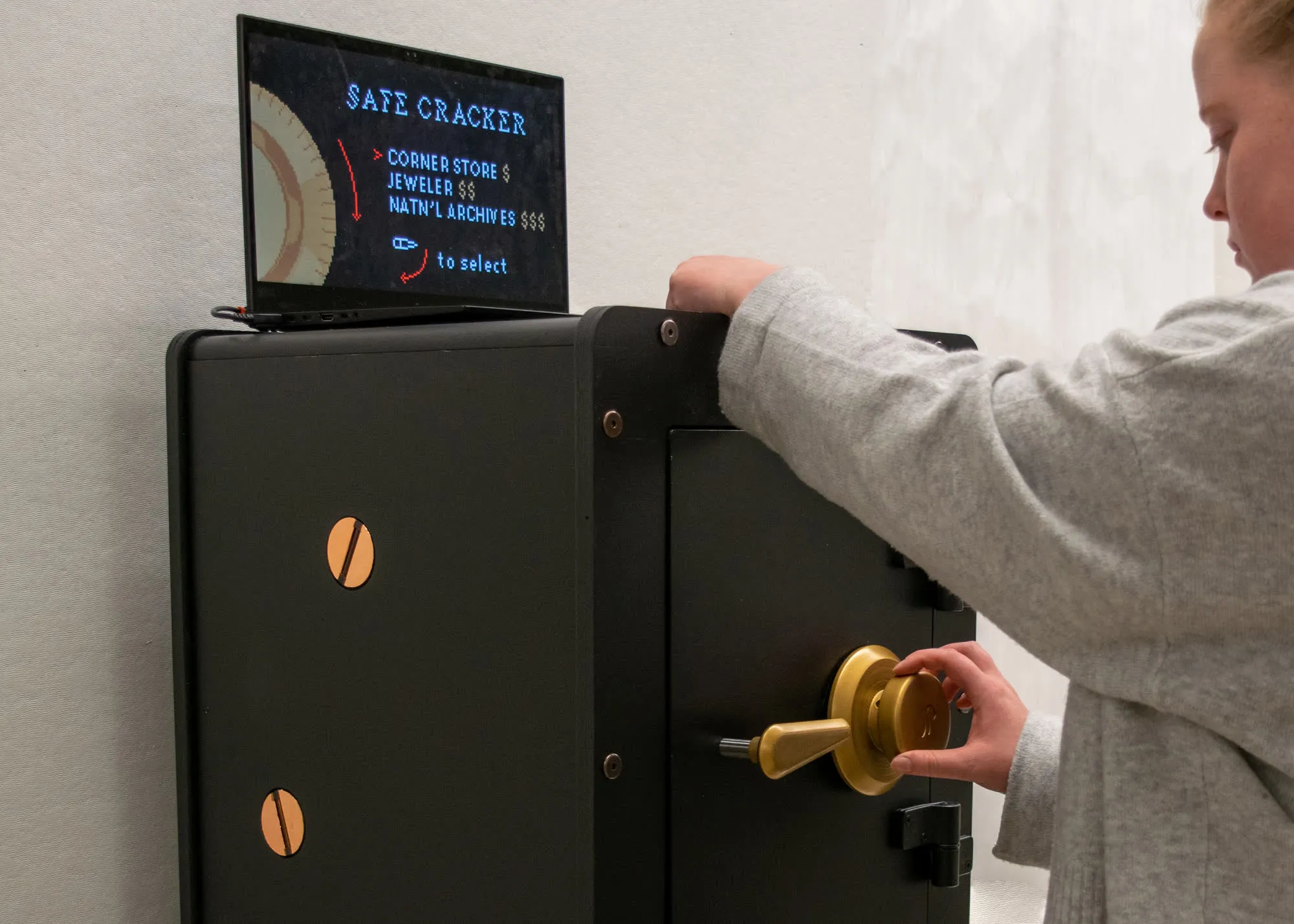
Let’s face it: pressing a button or tilting a joystick won’t ever feel as satisfying as hurling a fireball or gobbling up power pellets. True embodiment calls for alternative controllers that leverage custom-made sensors rather than off-the-shelf inputs.
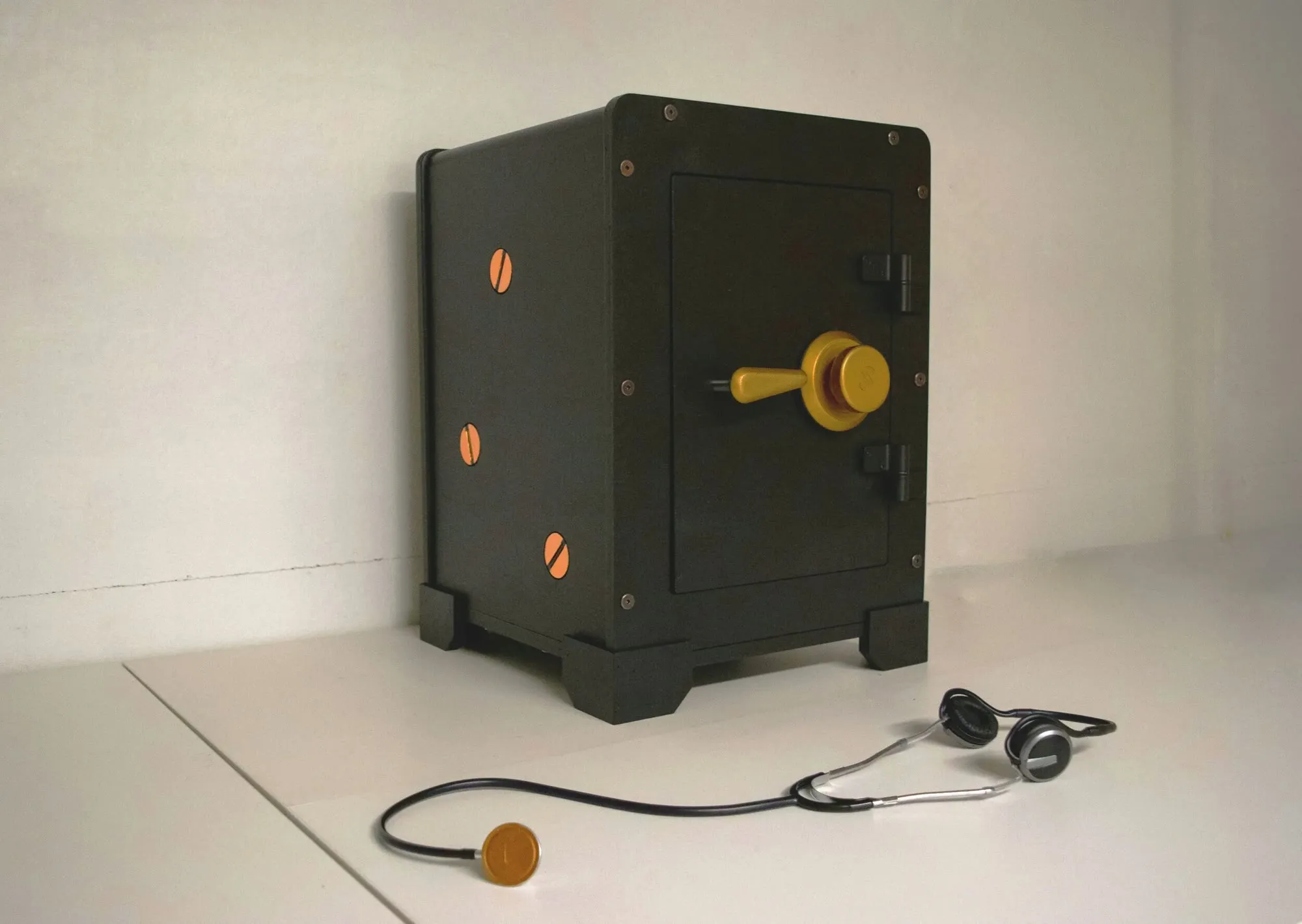
As part of Georgia Tech’s Interactive Product Design Lab, we built Safecracker: a game where you crack a safe by listening closely with your trusty stethoscope. After debuting as a class project, we polished the gameplay and took first place in the CHI 2020 Student Game Competition out of more than 50 entries in the Innovative Interfaces category.
I am impressed by [Safecracker’s] rich juiciness as an audio-based game with environmental and disturbing sound design
my role
As the project’s game designer, I translated common safecracking tropes into interactions that could be sensed with electronics. Once mechanics solidified via prototyping and playtesting, I worked with our visual designer to build out the core game loop in Processing.
My favorite part: the entire game is playable without having to look at the screen.
how to play
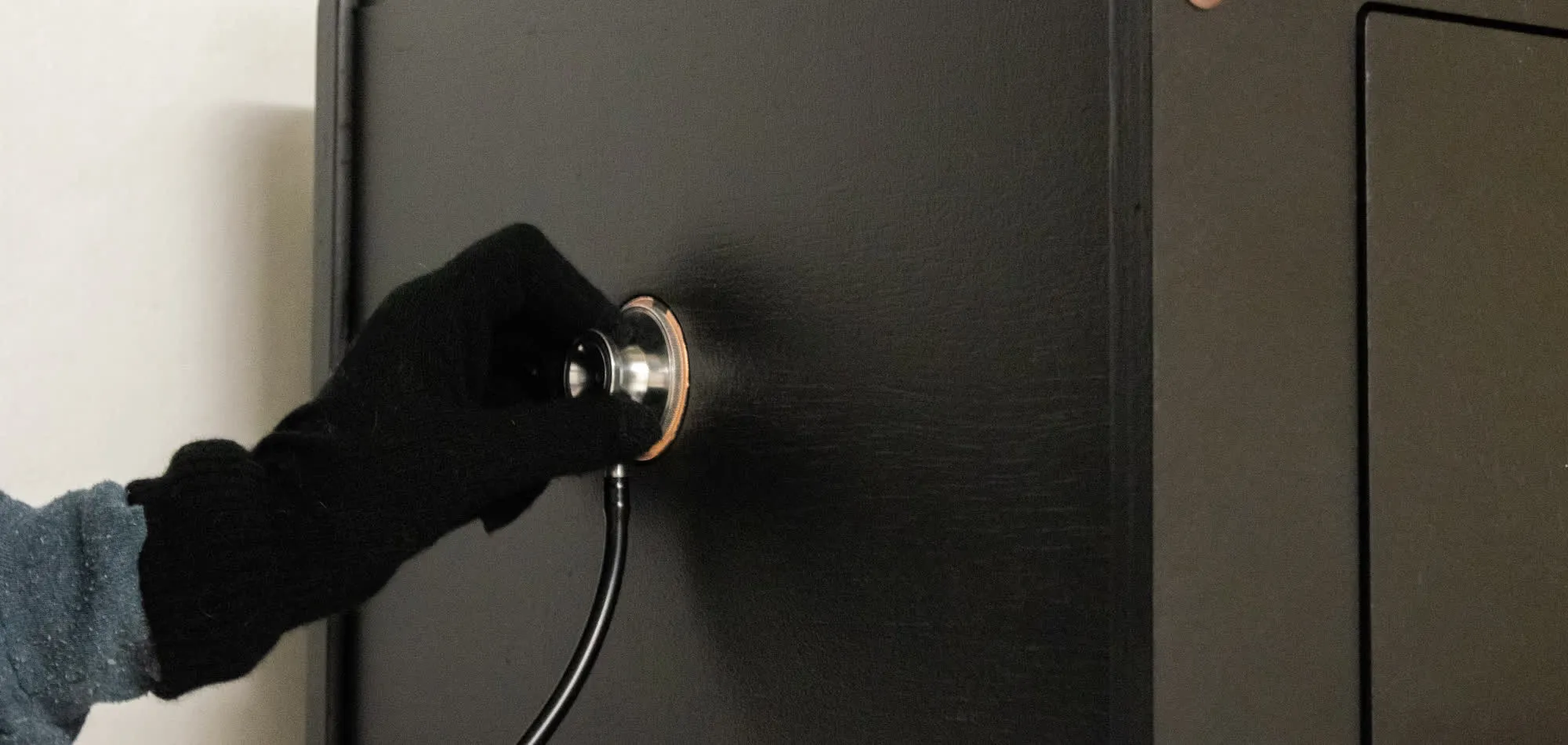
find the sweet spots
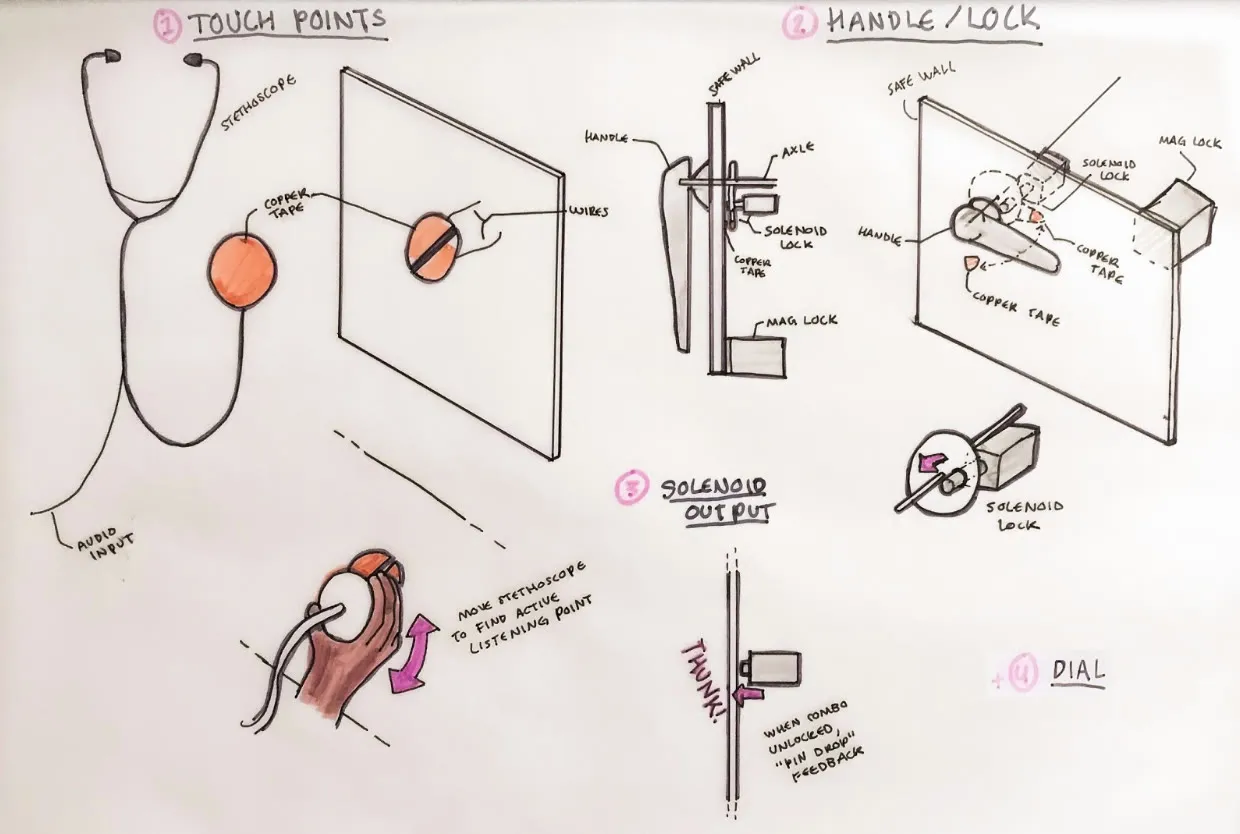
Hold the stethoscope to the marked points and listen for the lock’s inner mechanisms.
listen closely
Rotate the dial until a “THUNK” signals the next number in the combination.
crack the code
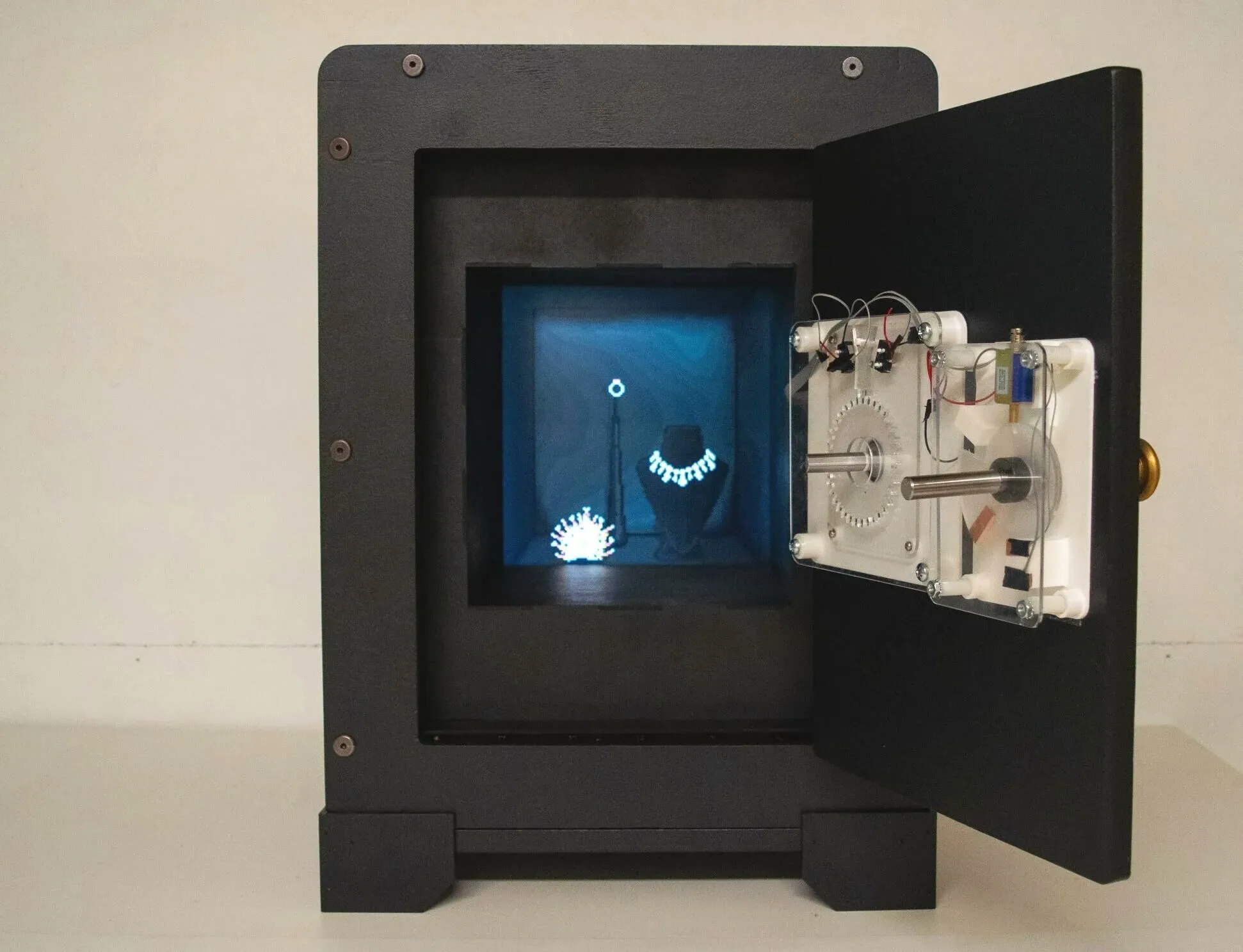
Solve the three-digit combination and the safe unlocks, revealing treasure on a hidden inner display.
prototyping
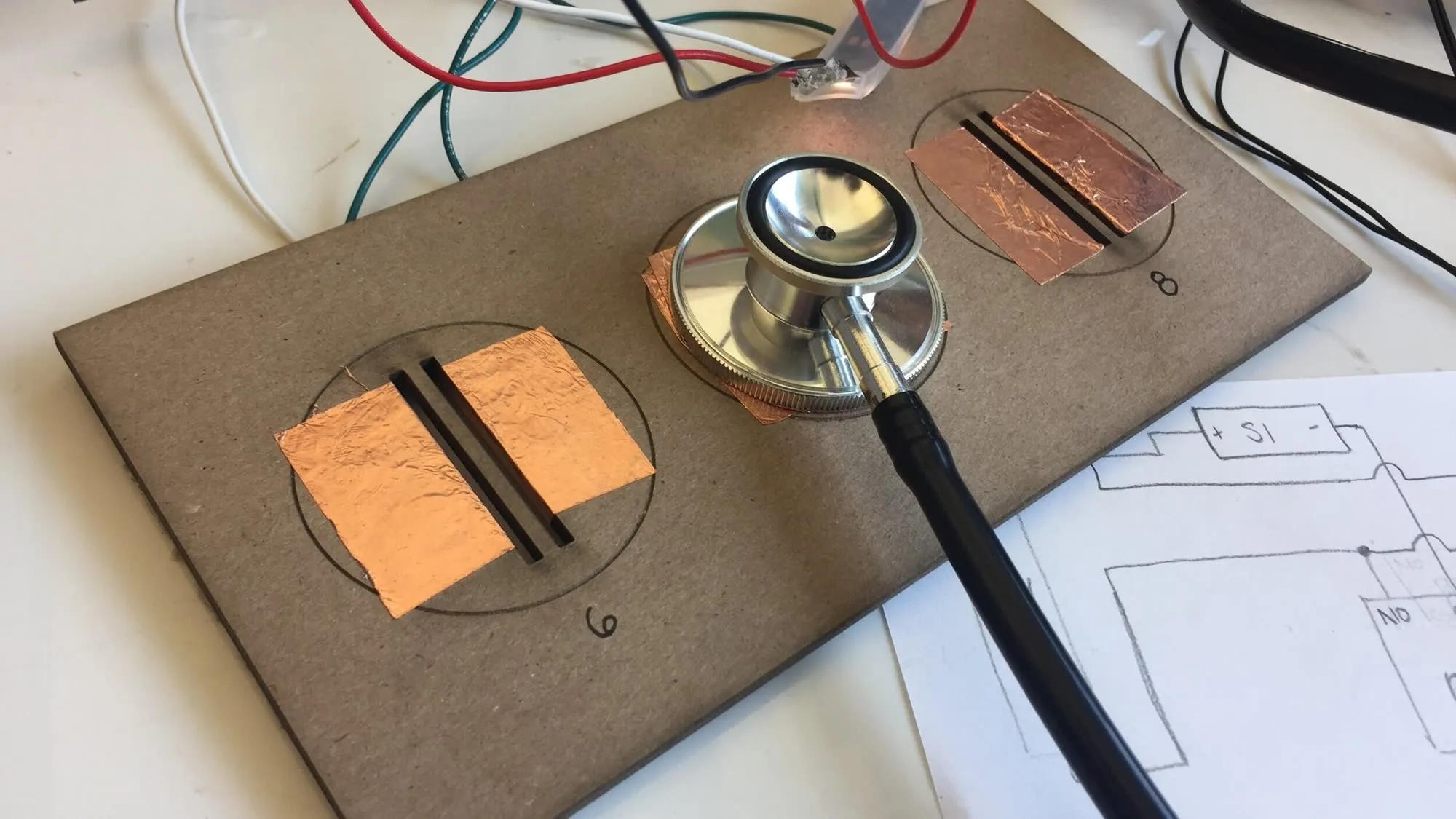
build & test
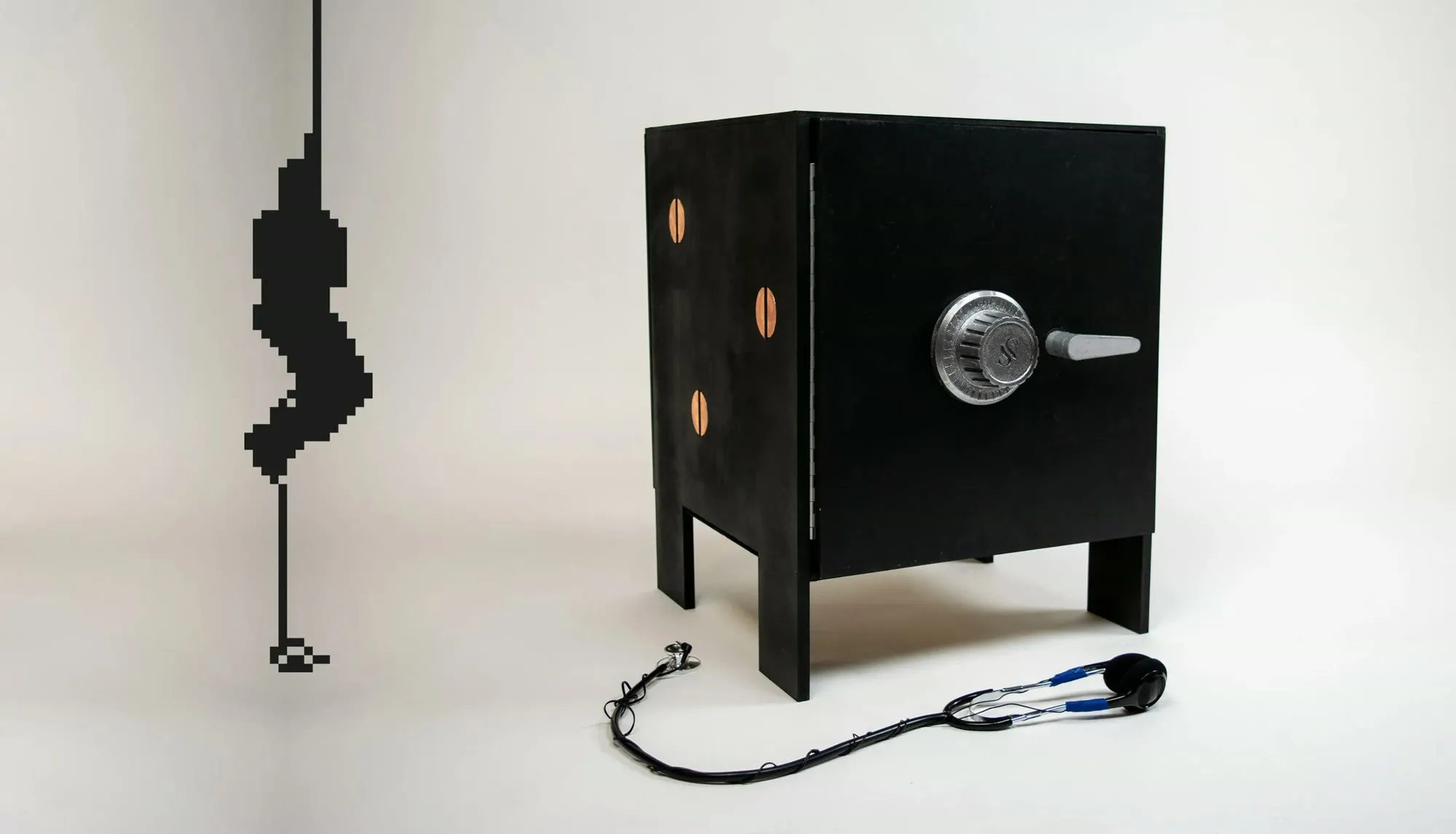
prototype build
Our first fully integrated model housed the game in a simplified, boxy safe — just robust enough to test out the interaction model.
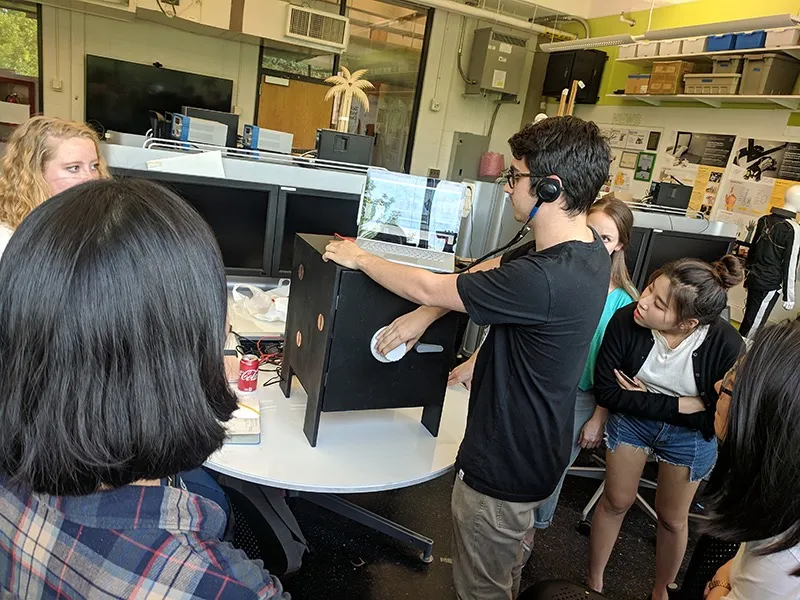
playtesting
We showcased the prototype at Georgia Tech’s Industrial Design Student Showcase and captured feedback from 15+ players.
Players found the mechanics engaging and challenging, but we learned the next iteration would need a fabrication overhaul to feel truly immersive.
digital design
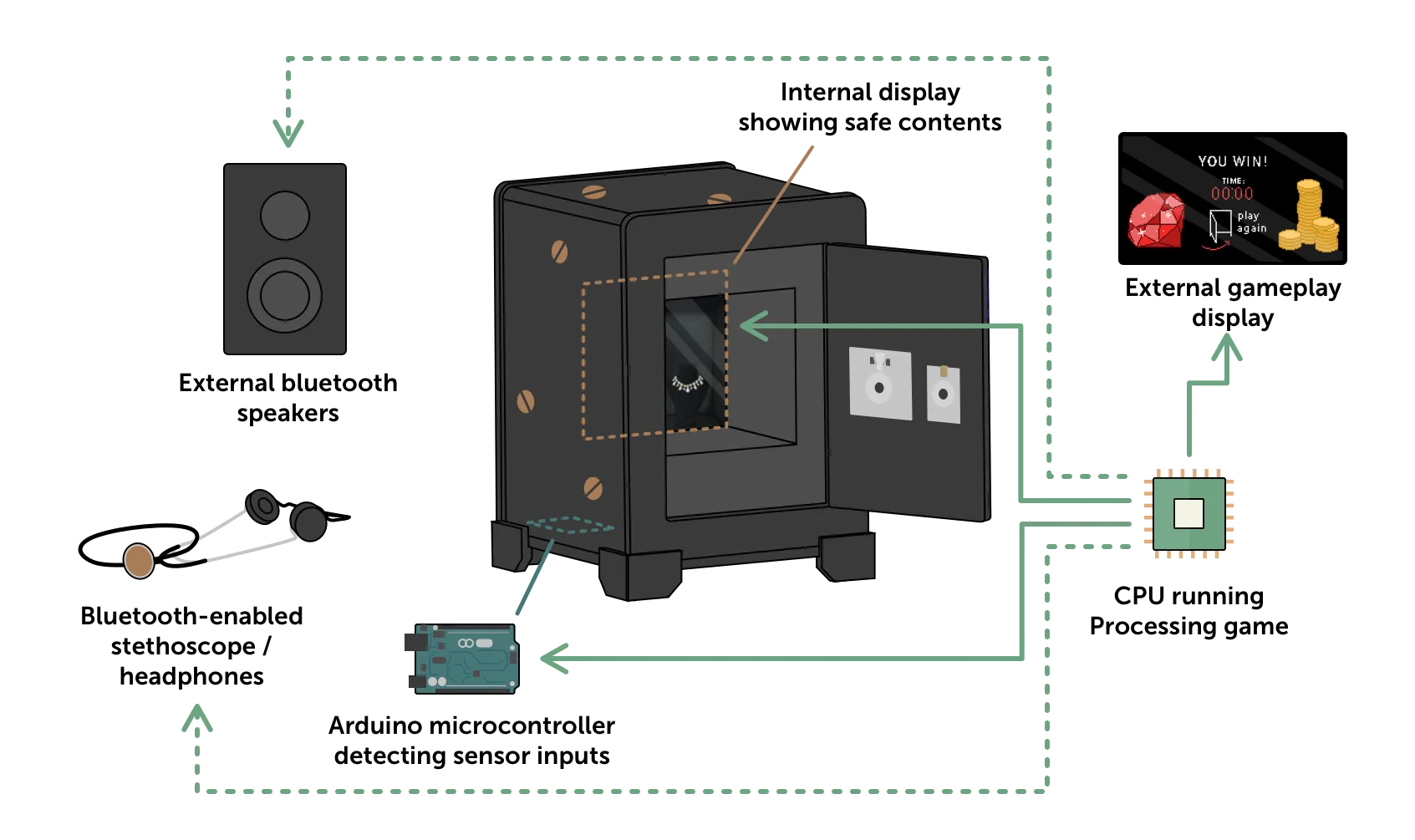
fabrication
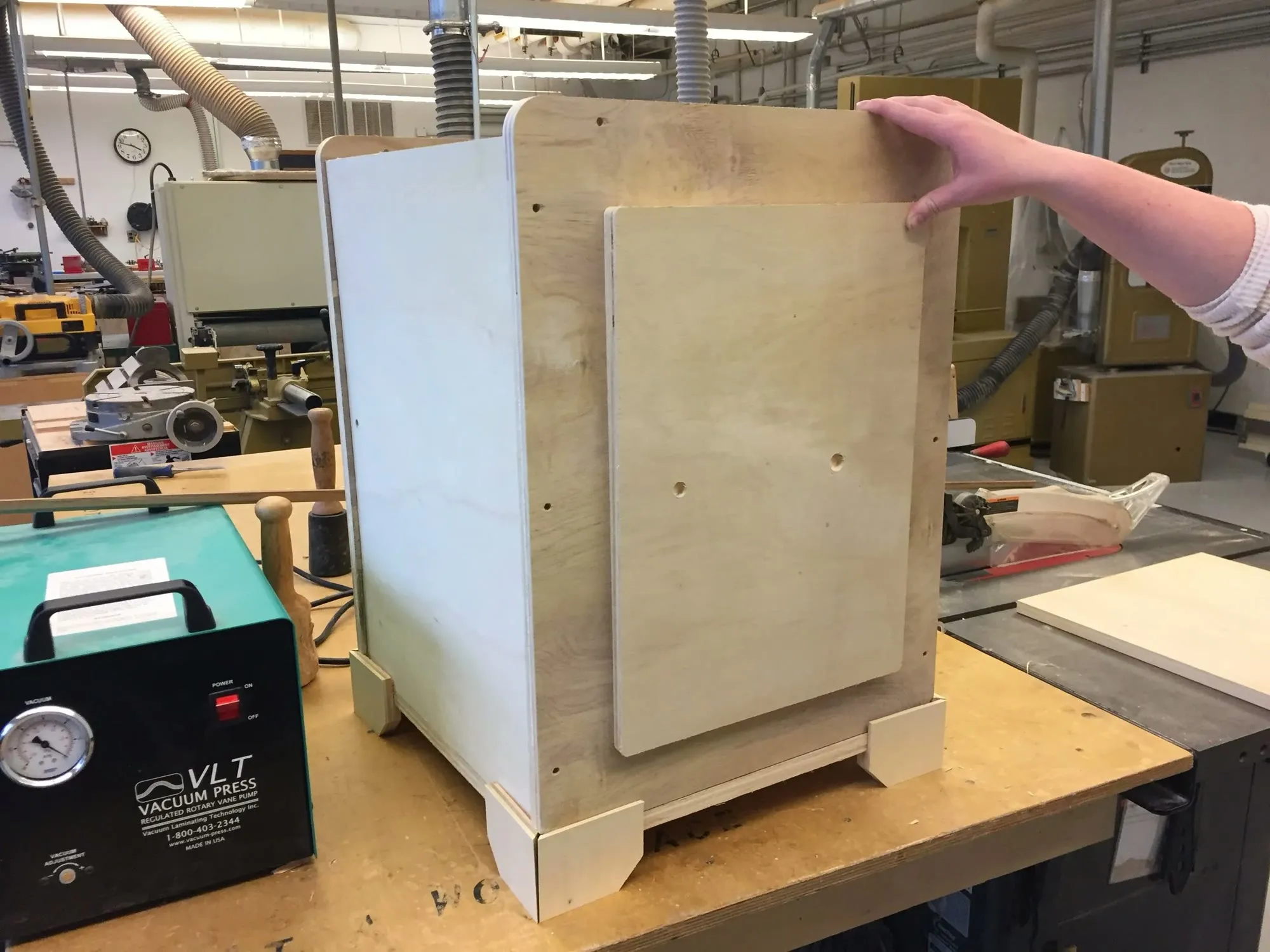
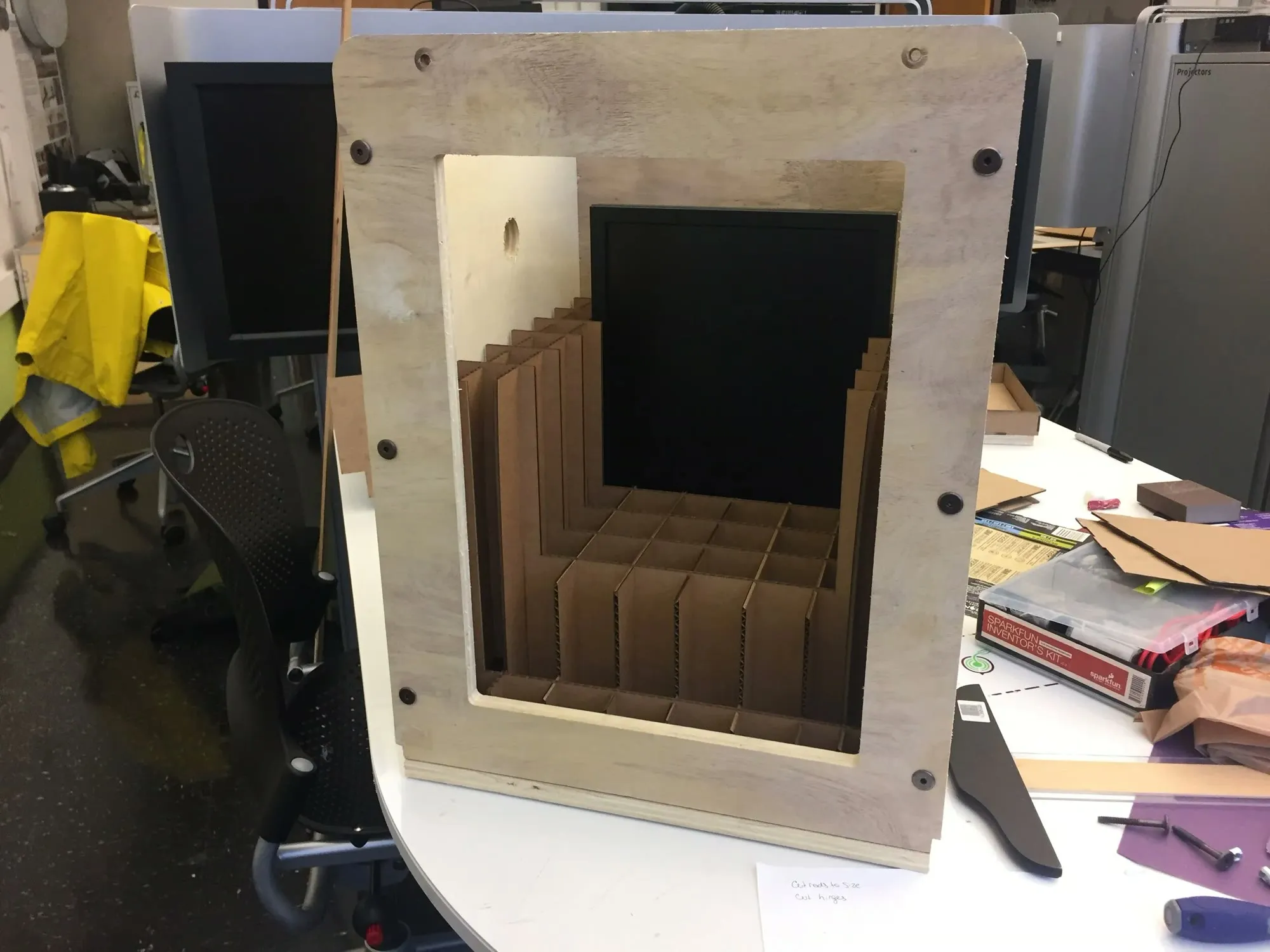
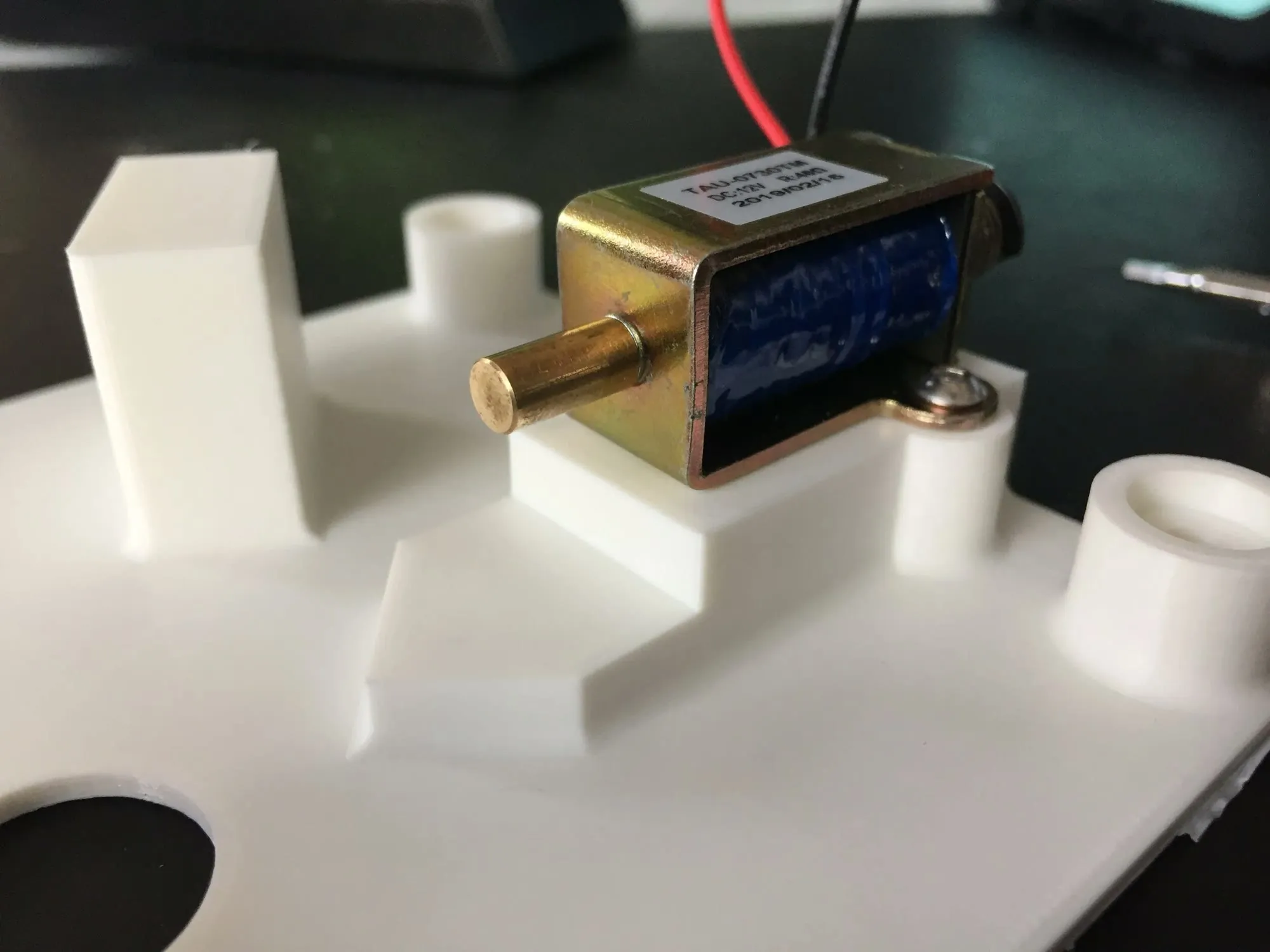
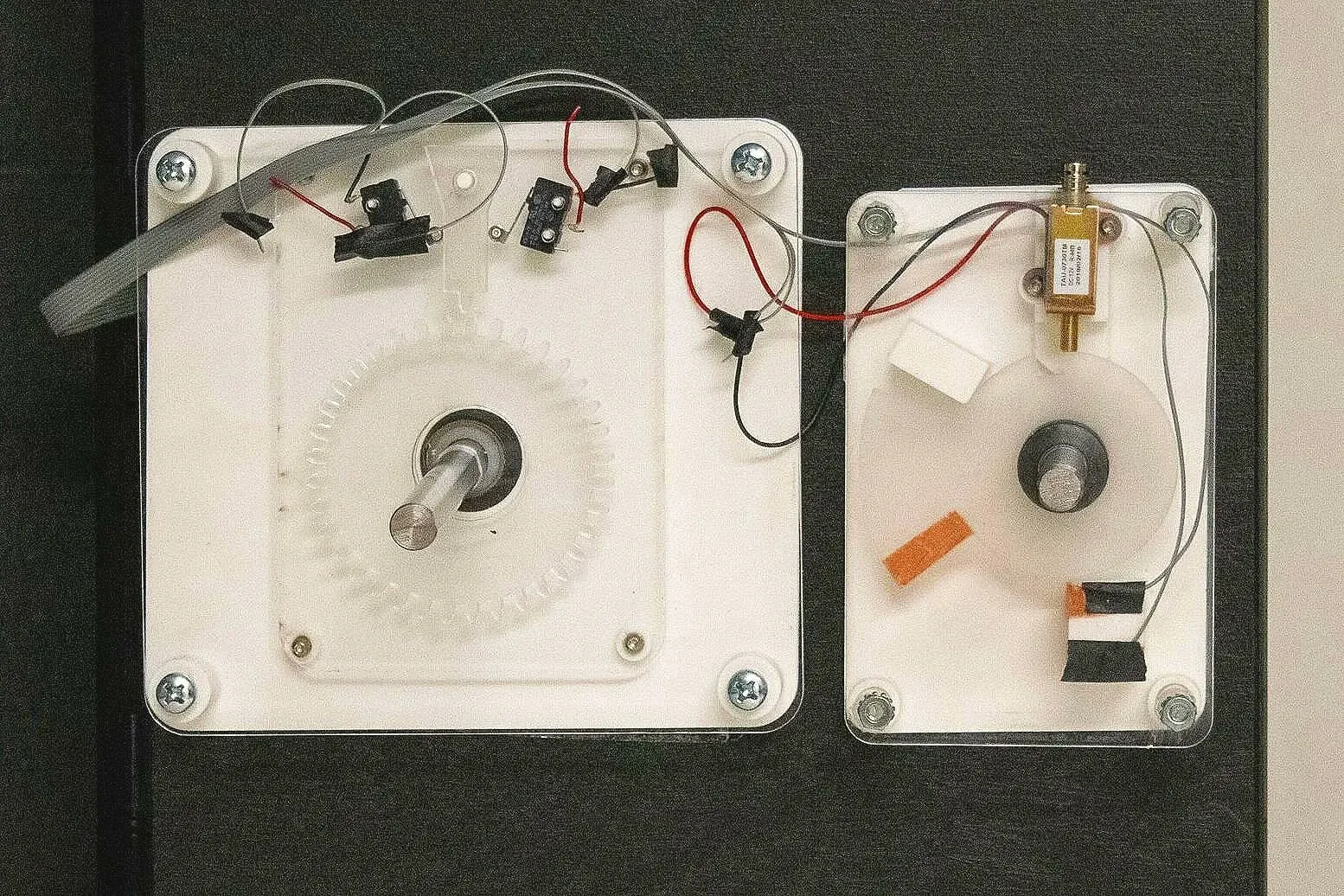
outcomes
- — Won 1st place in the CHI 2020 Student Game Competition, Innovative Interfaces category, from 50+ submissions
- — Published as an extended abstract in the ACM CHI 2020 proceedings
- — Playtested with 15+ players at the Georgia Tech Industrial Design Student Showcase
- — Built at Georgia Tech’s Interactive Product Design Lab with functioning locks and no simulated hardware
- — Pioneered a gameplay concept supporting audio-based, screen-free play
[Safecracker is] an interesting game design idea that to my knowledge is unique, and is further well designed and well motivated
Credits
- Hank Duhaime - Interaction Design & Development
- Mary Jo Dubina - Mechanical Design & Fabrication
- Kelsie Thomas - Visual Design & Fabrication
Special thanks
- Dr. Hyunjoo Oh - Advisor
- Dr. James Hallam - Advisor
- Noah Posner - Advisor
- Cooper Colglazier - Electronics
